

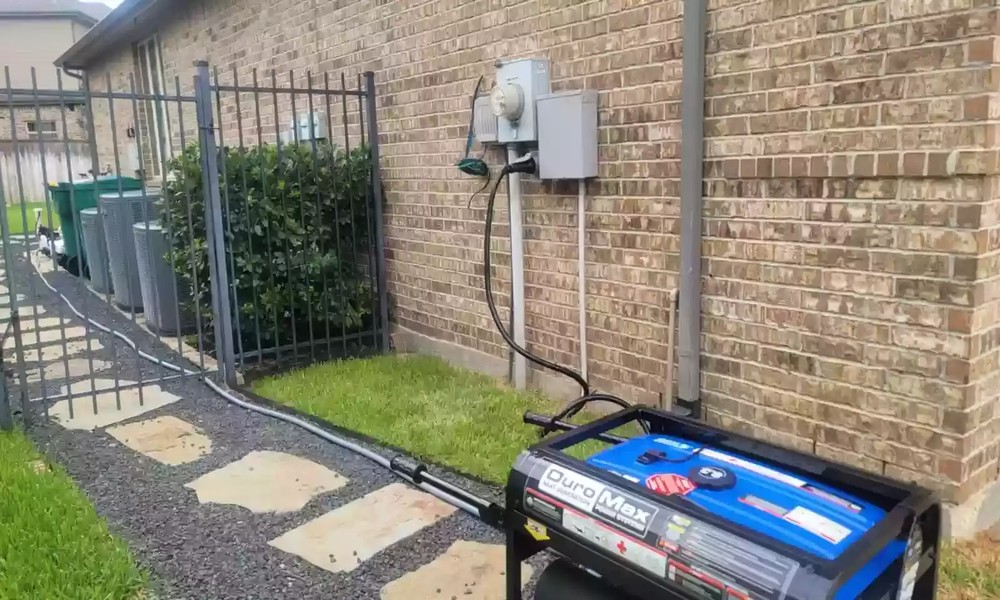
Severe weather, high winds, ice storms, intense summer heat, and unexpected grid disruptions have become realities that many homeowners in Austin, Texas have experienced firsthand. While power outages are often short-lived, some can last for hours or even days, creating major challenges for families trying to keep food cold, maintain comfort, work remotely, and protect vulnerable household members.
When homeowners begin exploring backup power options, they often assume that a whole-home standby generator is the only solution. While standby systems certainly have their place, many Austin residents discover that a properly planned portable generator interlock installation in Austin, TX can provide reliable backup power for the most important household circuits at a significantly lower cost.
The key isn’t necessarily powering every device in the home. It’s understanding which appliances and systems truly matter during an outage and creating a strategy that keeps those essentials running safely until utility power returns.
Understanding What Matters Most During an Outage
One of the biggest mistakes homeowners make is assuming they need to power their entire house during a power interruption.
In reality, most families only need a handful of critical systems to remain operational. Prioritizing these essential loads can dramatically reduce the size of generator required while still maintaining comfort, safety, and convenience.
Typical priority loads include:
- Refrigerators
- Freezers
- Internet equipment and Wi-Fi routers
- Home office equipment
- Medical devices
- Security systems
- Garage door openers
- Lighting circuits
- Phone charging stations
- Select kitchen outlets
- One air conditioning circuit or portable cooling solution
By focusing on these critical needs rather than every appliance in the home, homeowners can often achieve dependable backup power without investing in a much larger generator system.
Keeping Refrigerators and Freezers Running
Food preservation is usually the first concern when the lights go out.
A refrigerator full of groceries can represent hundreds of dollars in food. Freezers may contain even more value when stocked with bulk purchases, meal prep items, or specialty foods.
Most modern refrigerators consume relatively modest running power, but they require additional wattage during startup when the compressor cycles on.
A typical refrigerator may require:
- 150 to 800 running watts
- 1,200 to 2,000 startup watts
A standalone freezer often has similar requirements.
Because compressors cycle on and off throughout the day, homeowners should account for startup surges when calculating generator capacity. An experienced electrician can help determine whether both appliances can run simultaneously or if load management strategies are needed.
Supporting Home Offices During Grid Disruptions
Remote work has become a permanent reality for many Austin professionals.
A prolonged outage can mean lost productivity, missed meetings, and potential income disruption.
Fortunately, home office equipment generally requires very little power compared to large household appliances.
Essential office loads may include:
- Laptop computers
- Desktop workstations
- Monitors
- Modems
- Routers
- Phone chargers
- Network equipment
Many home office setups require less than 500 watts total. This means homeowners can often maintain internet access and continue working even while operating on a relatively modest generator.
For families with multiple remote workers, backup power planning can become even more valuable.
Powering Medical Equipment Safely
For some households, backup power isn’t simply about convenience.
Medical devices may be critical to health and safety during an outage.
Examples include:
- CPAP machines
- Oxygen concentrators
- Medication refrigeration
- Mobility equipment charging stations
- Monitoring devices
These loads should always be prioritized when evaluating backup power needs.
Every medical device has unique electrical requirements, and homeowners should consult manufacturer specifications as well as a qualified electrician to ensure proper sizing and compatibility.
For families relying on life-supporting equipment, developing a comprehensive backup power strategy is especially important.
Maintaining Security Systems and Home Safety
Power outages can leave homes vulnerable if security systems lose functionality.
While many alarm systems include battery backups, these batteries are often designed for short-term use.
Extended outages can eventually disable:
- Alarm panels
- Security cameras
- Motion sensors
- Smart locks
- Video doorbells
- Exterior security lighting
A properly designed backup power plan helps maintain these systems when utility service remains unavailable for extended periods.
This added protection can provide peace of mind during severe weather events when homeowners may already be dealing with multiple challenges.
Can Air Conditioning Be Powered During an Outage?
One of the most common questions Austin homeowners ask is whether a portable generator can run their air conditioner.
The answer depends on several factors.
Central air conditioning systems typically consume far more power than refrigerators, lighting, and electronics.
Factors include:
- AC tonnage
- Startup current requirements
- Existing electrical service
- Generator capacity
- Other connected loads
A standard 4-ton air conditioning unit may require a substantial generator to start and operate reliably.
However, many homeowners don’t necessarily need to cool the entire house during an outage.
- Power a smaller mini-split system
- Run a single window unit
- Cool one designated room
- Operate only select HVAC equipment
This targeted approach can significantly reduce generator requirements while still maintaining comfort during Austin’s hot summer months.
Why Load Calculations Matter
Proper load calculations are one of the most overlooked aspects of backup power planning.
Buying the biggest generator available isn’t always the answer.
Oversized generators:
- Cost more initially
- Consume more fuel
- Require additional storage space
- Increase maintenance expenses
Undersized generators can create different problems:
- Frequent overloads
- Equipment shutdowns
- Inability to start motors
- Potential damage to connected devices
An electrician performing a portable generator interlock installation in Austin, TX will typically evaluate the home’s electrical demands and identify which circuits should be prioritized during an outage.
This process helps determine:
- Running wattage requirements
- Startup surge requirements
- Recommended generator size
- Circuit selection strategies
The result is a backup power system designed around real household needs rather than guesswork.
Generator Sizing Examples
While every home differs, some general examples illustrate how planning affects generator size.
Small Essential Load Setup
May include:
- Refrigerator
- Freezer
- Lighting
- Internet equipment
- Home office
Typical generator range:
- 4,000 to 7,500 watts
Moderate Backup Setup
May include:
- Refrigerator
- Freezer
- Kitchen circuits
- Lighting
- Security system
- Home office
- Small cooling solution
Typical generator range:
- 7,500 to 10,000 watts
Expanded Backup Setup
May include:
- Multiple appliances
- Larger HVAC loads
- Additional household circuits
Typical generator range:
- 10,000+ watts
Actual sizing should always be based on professional calculations rather than generalized estimates.
Comparing Interlock Kits to Standby Generators
Whole-home standby generators offer tremendous convenience.
When utility power fails, they start automatically and can power most or all of the home.
However, many homeowners are surprised by the investment involved.
Standby generator systems often require:
- Generator equipment
- Automatic transfer switch
- Gas plumbing work
- Concrete pad installation
- Permitting
- Electrical upgrades
These costs can quickly add up.
By comparison, a portable generator interlock installation in Austin, TX often provides a practical middle-ground solution.
Benefits may include:
- Lower upfront costs
- Flexible generator options
- Reduced maintenance expenses
- Ability to prioritize critical loads
- Reliable backup power during emergencies
For many families, this balance between affordability and functionality makes an interlock system an attractive option.
Is This a Good DIY Project?
Many homeowners in Texas enjoy tackling improvement projects themselves.
Painting, landscaping, shelving installation, and basic repairs can often be completed safely by a skilled DIY enthusiast.
Generator interlock installations are different.
This work involves direct interaction with a home’s electrical service equipment and panel.
Mistakes can lead to:
- Electrocution
- Equipment damage
- Fire hazards
- Utility worker safety risks
- Code violations
- Insurance complications
Improper installation may also create dangerous backfeeding conditions, where electricity flows into utility lines that crews assume are de-energized.
Because of these risks, generator interlock installations are generally not considered an ideal do-it-yourself project.
Instead, homeowners should work with Texas licensed electricians who understand:
- National Electrical Code requirements
- Local Austin regulations
- Permit requirements
- Proper panel compatibility
- Safe load management practices
An experienced electrician can verify that the interlock kit is approved for the specific panel being used and ensure the entire system operates safely during an emergency.
Building a Reliable Outage Preparedness Plan
Backup power is only one piece of emergency preparedness.
Austin homeowners should also consider:
- Fuel storage planning
- Generator maintenance schedules
- Extension cord management
- Emergency lighting
- Battery backups
- Communication plans
- Weather monitoring
The goal is creating a complete strategy that allows the household to remain functional during prolonged outages.
When combined with thoughtful load planning and professional installation, a generator interlock system can become a valuable part of that preparedness plan.
Final Thoughts
Extended power outages in Texas can disrupt nearly every aspect of daily life, from preserving food and maintaining comfort to supporting remote work and protecting critical medical equipment. Fortunately, homeowners don’t necessarily need a costly whole-home standby generator to stay prepared.
A professionally designed portable generator interlock installation in Austin, TX allows homeowners to focus on powering the systems that matter most. By prioritizing essential appliances, calculating loads accurately, selecting the right generator size, and working with trusted Texas licensed electricians, families can create a dependable backup power solution that fits both their needs and budget.
When severe weather strikes Central Texas again, having a well-planned backup power strategy can make the difference between simply enduring an outage and maintaining a safe, functional, and comfortable home.