

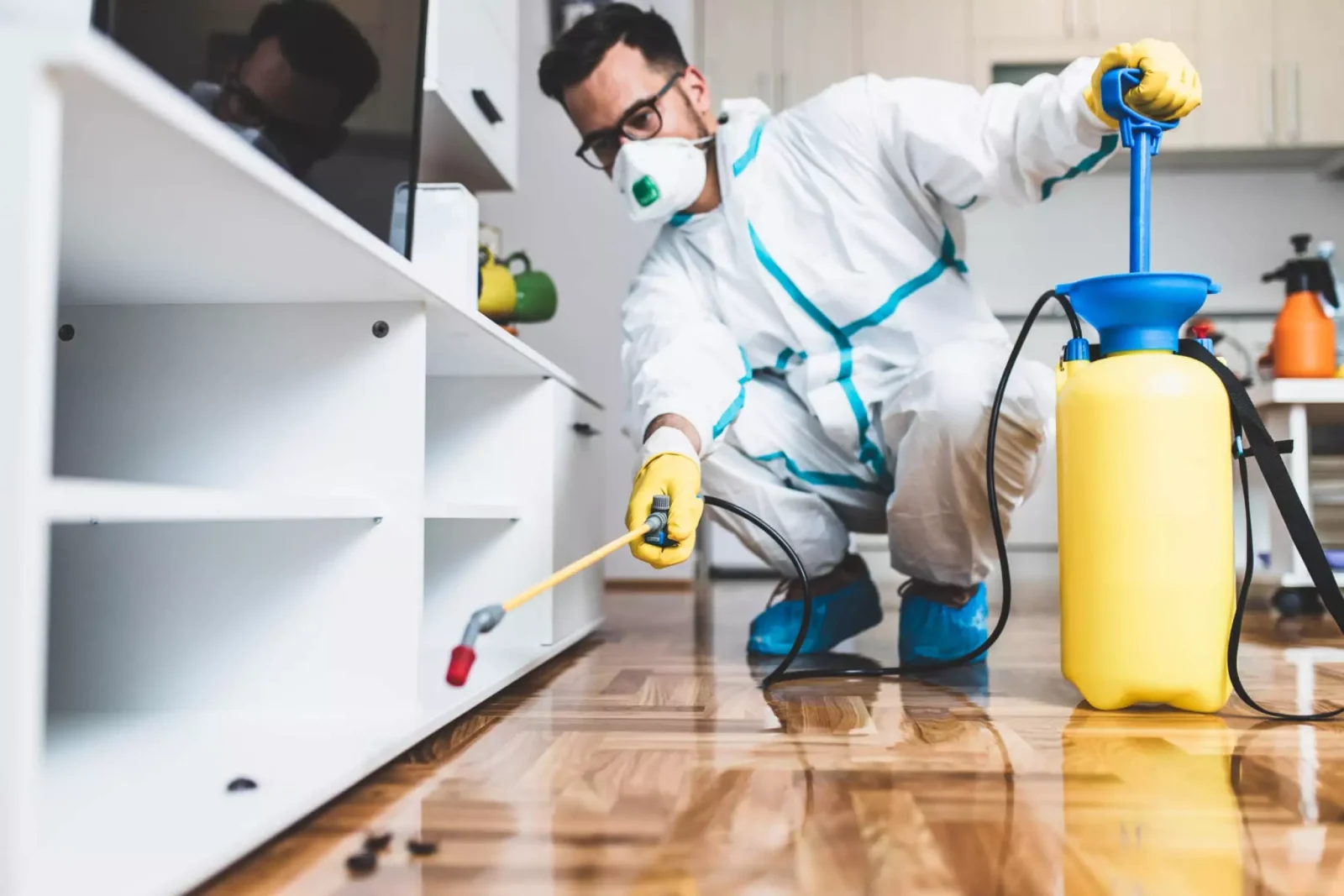
Managing pest control in multi-family buildings in Lynnwood is a unique challenge. The close proximity of units, shared walls, and common areas allow pests to spread quickly if preventive measures are not implemented. Effective pest management is essential to protect residents’ health, maintain property value, and reduce long-term structural damage.
For building managers and residents in Lynnwood, professional support from companies like unitedpestsolutions.com is crucial. Their expertise ensures that infestations are identified early, treated efficiently, and prevented from recurring.
Using a combination of proactive strategies and professional interventions can keep multi-family buildings pest-free while fostering a safe living environment.
Common Pest Challenges in Multi-Family Buildings
Multi-family properties face distinct pest risks due to shared living spaces:
- Rodents: Mice and rats can traverse walls, ceilings, and utility lines, contaminating food and causing damage.
- Cockroaches: Frequently found in kitchens and bathrooms, cockroaches spread bacteria and allergens, creating health hazards.
- Bed Bugs: Easily transmitted between units through clothing, furniture, and luggage, bed bugs are difficult to eradicate without professional help.
- Ants and Termites: Infestations often start unnoticed in cracks or wooden structures, potentially causing long-term structural issues.
Understanding the most likely pests in Lynnwood buildings allows for targeted prevention and efficient response strategies.
Prevention Measures: Reducing Pest Risk
Preventive strategies are the first step in maintaining a pest-free environment:
Structural Maintenance
- Seal cracks, gaps, and entry points around windows, doors, and plumbing lines.
- Repair water leaks and moisture issues, as damp areas attract pests.
- Maintain proper ventilation in basements and attics to reduce humidity.
Hygiene and Sanitation
- Keep common areas, kitchens, and laundry rooms clean and clutter-free.
- Use sealed trash bins and ensure waste is emptied regularly.
- Encourage residents to store food in airtight containers and clean spills promptly.
Resident Education:
- Share guidelines on reporting pest sightings immediately.
- Offer information on early signs of infestations and preventive practices.
- Promote coordinated efforts for treating and preventing pests across all units.
Integrated Pest Management (IPM) Approach
An integrated pest management approach balances immediate treatment with long-term prevention:
- Inspection and Monitoring: Regular inspections of units and communal spaces help identify infestations early.
- Mechanical Controls: Traps, bait stations, and physical barriers reduce reliance on chemicals.
- Targeted Chemical Treatments: When necessary, professional-grade pesticides are applied strategically to problem areas.
- Continuous Follow-Up: Post-treatment monitoring ensures that pest populations are eliminated and recurrence is prevented.
Coordinating Pest Control in Lynnwood Multi-Family Buildings
Collaboration between building management, residents, and pest control professionals is key:
- Management Role: Schedule routine inspections, coordinate treatments, and enforce sanitation policies.
- Resident Responsibility: Comply with building guidelines, report pest sightings promptly, and participate in scheduled treatments.
- Professional Expertise: Partnering with professional services provides tailored solutions, expert advice, and environmentally responsible treatments designed specifically for multi-family properties in Lynnwood.
Special Considerations for Shared Spaces
Communal areas such as hallways, gyms, and laundry rooms are common hotspots for pests:
- Maintain cleanliness and reduce clutter to limit hiding spots.
- Inspect these areas regularly for early signs of infestation.
- Ensure trash and recycling bins are sealed and emptied frequently.
- Implement scheduled deep-cleaning programs to disrupt pest activity.
Long-Term Strategies for Sustainable Pest Control
Long-term pest management requires ongoing vigilance:
- Establish a regular maintenance schedule to inspect and repair structural vulnerabilities.
- Provide ongoing education for residents on preventive practices.
- Review pest control strategies annually and adjust according to changing building conditions or pest activity.
Bottom Line
Pest control in Lynnwood multi-family buildings demands a proactive, coordinated, and strategic approach. By combining structural maintenance, sanitation, resident education, and professional services from unitedpestsolutions.com, infestations can be prevented or controlled effectively.
Long-term success relies on cooperation, consistent monitoring, and the use of Integrated Pest Management strategies, ensuring a safe and healthy environment for all residents.