

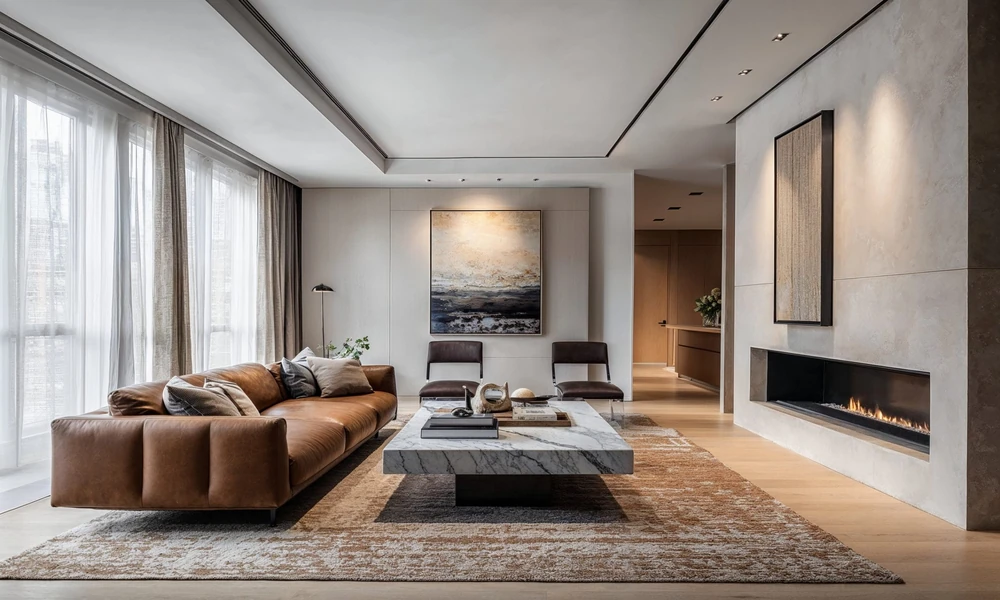
A well-designed space can be instantly ruined by poor lighting. Shadows in corners, glare on work surfaces, and a lack of visual warmth can turn even the most carefully decorated interior into a place no one wants to linger. The real secret behind comfort and utility at home or work? A thoughtful blend of ambient and task lighting that frames every room in its best light.
The Foundations of Lighting Design in Interior Spaces
Lighting is far more than just functionality. It is a powerful design tool that shapes how we perceive and experience any environment. Whether aiming for a tranquil reading nook or a vibrant kitchen, understanding the types and properties of light is crucial.
Understanding Light: Types and Properties
Every lighting plan begins with two main sources: natural and artificial light. Natural light varies with time, season, and orientation, offering dynamic possibilities and challenges. Artificial light, on the other hand, is all about control. Its main properties, intensity, color temperature, and distribution, can be adjusted to fit any mood or functional need.
The Role of Lighting in Mood and Functionality
Lighting does more than illuminate. It can energize a workspace, add drama to a gallery wall, or soothe a bedroom at dusk. Direct lighting encourages focus, while indirect, diffuse light invites relaxation. Choosing the right kind of light for each activity enhances both comfort and productivity.
Distinguishing Ambient and Task Lighting: Definitions and Purposes
Ambient lighting is the general illumination that fills a room, washing over walls and floors to create a baseline brightness. Task lighting, by contrast, targets specific zones, a desk, a kitchen counter, a vanity mirror, to provide concentrated light where precision matters most.
Crafting Effective Ambient Lighting
A room’s first impression is often set by its ambient lighting. Achieving inviting, even illumination takes both planning and finesse.
Techniques to Achieve Uniform Illumination
Ceiling-mounted fixtures, recessed lights, and wall sconces are common choices for uniform ambient light. Indirect lighting, such as uplights that bounce off ceilings, can help eliminate harsh shadows and create a more welcoming atmosphere.
Choosing Fixtures and Bulbs for Ambient Lighting
The ideal ambient fixture depends on ceiling height, room size, and style. In living rooms, large statement pieces can double as focal points, while flush mounts or hidden LED strips work well in tighter spaces. When it comes to bulbs, opt for a warm color temperature (between 2700K and 3000K) to evoke comfort.
Balancing Natural and Artificial Ambient Light
Natural daylight is unmatched, but rarely sufficient on its own. To avoid dramatic light changes as day turns to night, supplement windows with dimmable fixtures. Layering multiple light sources, overhead, wall, and floor, smooths out transitions and helps maintain a consistent ambiance.
Avoiding Common Ambient Lighting Mistakes
Over-lighting is as problematic as under-lighting. Too many bright fixtures can make a space feel sterile. The key is to avoid glare by diffusing light sources and using shades or baffles when possible.
Designing Task Lighting for Precision and Comfort
While ambient lighting sets the stage, task lighting ensures you can read, cook, and work without eye strain.
Identifying Key Areas for Task Lighting in Different Rooms
Each room has its hotspots. Kitchens need concentrated light over counters and stoves. Home offices benefit from adjustable desk lamps. Bathrooms call for bright, shadow-free lighting at mirrors, while bedrooms often require focused reading lights.
Selecting Appropriate Fixtures: Desk Lamps, Under-Cabinet Lights, and More
Form follows function in task lighting. Adjustable arms, gooseneck lamps, and under-cabinet LED strips put light exactly where you need it. Some designers recommend exploring Avant-Scene lighting for distinctive options that blend seamlessly with modern interiors.
Positioning and Angle Considerations to Reduce Glare and Shadows
Aim task lights to minimize direct glare and avoid casting shadows on work surfaces. For example, a right-handed person should place a desk lamp on the left to prevent blocking the light while writing.
Integrating Task Lighting with Other Light Sources
Task lighting should complement, not compete with, ambient lighting. Use different color temperatures and dimmers to fine-tune scenes for different activities, like switching from work mode to a relaxed evening setting.
Harmonizing Ambient and Task Lighting for Cohesive Interiors
The real magic happens when multiple lighting layers come together.
Layering Light: Creating Depth and Visual Interest
A room that uses only one type of lighting can feel flat. Layering ambient, task, and even accent lighting adds visual depth and draws attention to key architectural features or decor elements.
Using Controls and Dimmers to Adapt Lighting Scenes
Dimmers and smart controls allow for instant adaptation, from energetic mornings to cozy nights. Scene settings can combine ambient and task lights for meetings, entertaining, or focused work sessions.
Color Temperature and Its Impact on Combined Lighting
Mixing warm and cool lights can create visual confusion. For harmony, keep color temperatures consistent, or use gradual transitions between zones.
Case Studies: Successful Applications in Residential and Commercial Spaces
Residential lofts often blend pendant lights for ambient glows with under-cabinet strips in kitchens. Modern offices use a mix of overhead LEDs and personal task lamps, offering both flexibility and comfort.
Practical Tips for Lighting Installation and Maintenance
A great design is only as good as its practical execution.
Planning Electrical Layouts for Optimal Lighting Placement
Early planning prevents costly rewiring. Account for furniture layouts and functional zones before installation to ensure switches and outlets serve every lighting need.
Safety and Energy Efficiency Considerations
LEDs are the gold standard for energy savings and longevity. Always verify fixture ratings and use compatible dimmers. For wet zones like bathrooms, ensure all lights meet safety codes.
Routine Maintenance to Preserve Lighting Quality
Periodic dusting, cleaning shades, and replacing aging bulbs will keep your lighting looking its best.
When to Consult Professionals: Architects, Designers, and Electricians
While DIY can work for simple upgrades, complex lighting schemes or major renovations call for experts. Architects, designers, and certified electricians ensure both aesthetics and safety shine through.
Balanced, layered lighting transforms any space from ordinary to extraordinary. By mastering the interplay between ambient and task lighting, every room can glow with both beauty and purpose.