

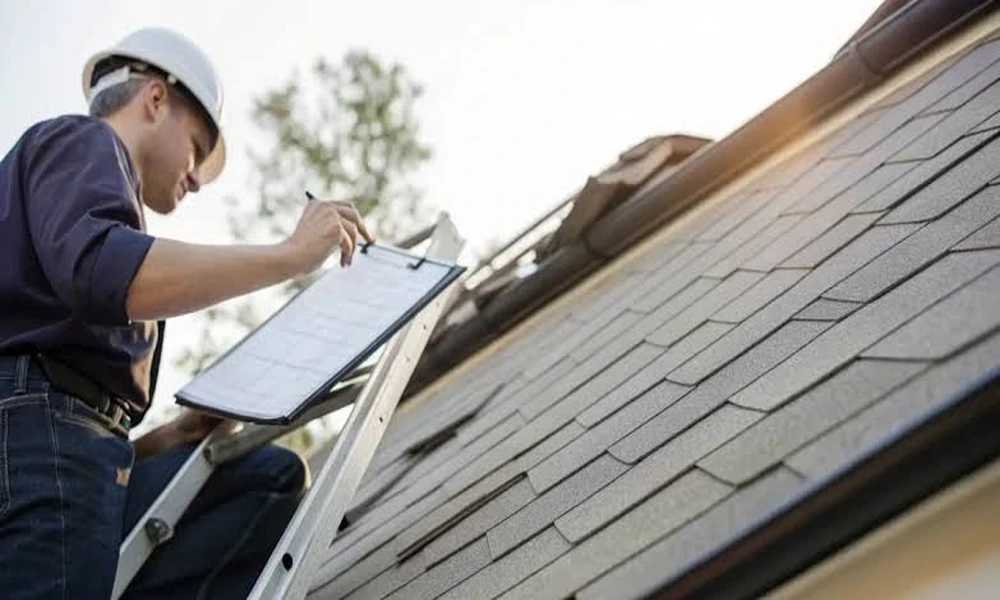
Washington never asks a roofer to pass a roofing exam. Plumbers and electricians sit for state tests, but roofers simply register with the Department of Labor & Industries, post a bond, show proof of liability insurance and start working. That system keeps the barrier to entry low, which is why every big windstorm along the I-5 corridor brings a fresh wave of trucks, door hangers and lawn signs from outfits nobody in town has heard of.
The good news is that the paperwork behind a legitimate contractor is public, specific and fairly easy to check. A homeowner who knows which documents to ask for can sort a solid bid from a shaky one long before the first shingle comes off.
Take a local example of what that paper trail looks like. Anyone comparing bids from a roofing company in Marysville can find Riverside Roofing’s state registration number printed right in its website footer, along with a street address on Ash Avenue that hasn’t moved. The crew carries more than 35 years of experience, GAF Master Elite status on the residential side and GoldElite recognition for commercial work, which is what allows it to offer the manufacturer’s enhanced warranties. Those are exactly the kinds of details worth confirming with any roofer before signing anything.
Here is the stack of papers, in roughly the order you’ll want to gather them.
The Number That Unlocks Everything Else
Every registered contractor in Washington has a registration number, and it should appear on bids, contracts, vehicles and advertising. Typing that number or the business name into L&I’s Verify a Contractor tool tells you far more than whether the company exists.
The lookup shows whether the registration is active or suspended, when it expires, which bonding company backs it and whether anyone has sued against that bond. It also lists workplace safety citations. A roofer with a clean registration but a string of fall protection violations is telling you something about how the job site will be run.
Pay attention to the registration type too. A specialty contractor registered in roofing can only do roofing and isn’t allowed to hire subcontractors. If the bid includes gutters, skylights, siding repair or interior drywall patching, the company should hold a general contractor registration or the extra work needs to go to someone else.
What the Bond Actually Covers
A contractor bond is often misunderstood as insurance for the homeowner. It’s closer to a small pool of money a court can tap if the contractor fails to finish the job, breaks the contract or doesn’t pay suppliers.
That pool got bigger recently. Under a state law that took effect in July 2024, L&I raised required bond amounts for the first time since 2001, from $12,000 to $30,000 for general contractors and from $6,000 to $15,000 for specialty contractors. Companies moved to the new amounts as their registrations came up for renewal. Half of the bond is set aside for residential homeowners, and collecting it still requires filing a lawsuit and winning a judgment.
On a typical roof replacement, even a $30,000 bond won’t cover a disaster from start to finish. Think of it as a floor, not a safety net.
Two Kinds of Insurance, One Common Blind Spot
Liability insurance pays for damage the crew causes, such as a dropped bundle that cracks a skylight or a tarp that fails during a downpour and soaks a bedroom ceiling. Ask for a certificate of insurance sent directly from the agent rather than a photocopy handed over by the salesperson.
Workers’ compensation is where many homeowners stop checking. Washington runs workers’ comp through a state fund instead of private carriers, so coverage status shows up in the L&I system. Roofing is one of the most dangerous trades in the country, and Washington’s construction rules require fall protection at just 4 feet, stricter than the federal threshold. An uncovered worker who falls from your roof creates a mess nobody wants to untangle.
The Notice Most People Sign Without Reading
For residential projects over $1,000, Washington contractors are required to hand homeowners a disclosure statement before work begins. It explains the contractor’s registration and bond, and it warns that suppliers and subcontractors who don’t get paid may have the right to place a lien on your property, even if you paid the contractor in full.
That last part is the reason the form exists. Read it, keep a copy and treat it as a signal that the company is following state rules from day one.
Reading the Contract Before It Reads You
A roofing contract should describe the job in enough detail that a stranger could tell whether it was done correctly. At a minimum, look for these items written in plain terms.
- Whether the old roofing is being torn off or covered over, and how many layers are coming off.
- A plan and unit price for replacing rotted decking, since nobody can see it until the shingles are gone.
- The underlayment, ice and water shield locations, flashing type and ventilation changes.
- Exact shingle or panel product names, colors and the manufacturer warranty being registered.
- The payment schedule, which should never front-load most of the money before materials arrive.
- Cleanup, magnetic nail sweeps and disposal of the old material.
Decking is the line most worth negotiating. Western Washington’s damp winters mean older homes often hide soft plywood around valleys, chimneys and eaves, and a vague “replace as needed” clause can quietly double a budget.
The Permit and Who Signs for It
Inside Marysville city limits, residential reroofs run through the city’s online permit portal, which has a dedicated category for single family reroof permits. The contractor typically pulls the permit, and the city inspects the finished work.
Location matters more than people expect here. Plenty of homes with Marysville mailing addresses sit in unincorporated Snohomish County, and some sit on Tulalip land, each with its own permitting office. A contractor who knows the area will know which one applies to your parcel without having to look it up twice.
Paper That Arrives After the Crew Leaves
The final stack is easy to forget once the roof looks finished. Ask for lien releases from major suppliers, especially the shingle distributor, so a billing dispute between them and the roofer can’t land on your title later. Collect the signed final inspection, the contractor’s workmanship warranty in writing and proof that the manufacturer warranty was actually registered. Enhanced warranties from shingle makers often require the installer to submit the paperwork within a set window, and an unregistered warranty can fall back to the basic coverage.
File all of it together. When the house eventually sells, a buyer’s inspector or insurance agent will want to know how old the roof is and who installed it, and a neat folder answers both questions in minutes. A good roofer will hand you most of these papers before you ask, and that habit alone tells you a lot about how the work on top of your house was done.