

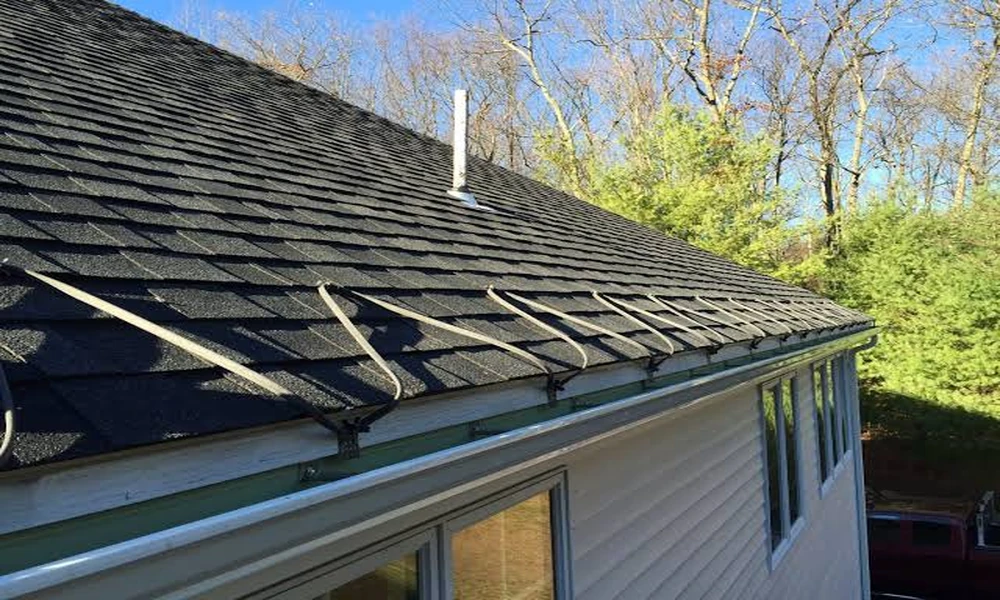
Heated gutters systems use electrical heating cables or purpose-built heating elements to help keep selected drainage paths open during freezing weather. They are intended to reduce ice accumulation in gutters and downspouts, allowing meltwater to drain when conditions are suitable. They do not replace proper insulation, ventilation, roof detailing, or safe snow management. The right design depends on the climate, roof geometry, recurring ice problems, electrical supply, and the manufacturer’s installation requirements.
A heated gutter system is an installed arrangement of listed heating cables or purpose-designed elements placed along specified gutter and downspout routes. Some systems are manually controlled, while others use thermostats or moisture sensors. Performance depends on correct cable layout, suitable power protection, drainage continuity, and operating conditions. Heating equipment should be selected and installed according to the product instructions and applicable electrical codes.
At a glance
| Topic | Key point |
| Purpose | Keep selected drainage paths open in freezing weather |
| Design | Heating does not fix every ice-dam cause |
| Safety | Use approved equipment and qualified electrical work |
| Maintenance | Clean and inspect before winter |
Why gutters freeze
Water can freeze in gutters when temperatures remain below freezing, particularly if the gutter is shaded, the drainage path is slow, or meltwater refreezes overnight. Snow on a roof may melt during the day and flow toward colder eaves, where it freezes. Repeated freezing can create ridges of ice that restrict drainage and add weight to the gutter system.
The cause matters because heating the gutter alone may not solve a roof-level ice-dam problem. Heat escaping from the living space can warm the upper roof while the eaves remain cold, encouraging meltwater to refreeze near the edge. Insulation, air sealing, ventilation, and roof design should be assessed alongside any proposed heating cable.
How heating cables work
A heating cable converts electrical energy into heat along a defined route. When installed according to the product’s layout, it can create a channel that helps water travel through a gutter and downspout rather than freezing immediately. The cable does not melt every layer of snow on the roof, nor can it guarantee free drainage during every storm or prolonged extreme cold.
Cable output, spacing, routing, and control method differ by product. Some systems are designed for roof edges and gutters, while others are unsuitable for those locations. Use a product specifically rated for the intended application, and follow the instructions for overlaps, fastening, bend radius, and the maximum circuit length.
When a heated system may be useful
Heating may be worth considering where a property repeatedly experiences gutter ice, where downspouts freeze shut, or where meltwater must follow a particularly exposed route. Roofs with complex eaves, valleys, or shaded sections may need a tailored design. A heating system can also be relevant where drainage blockage has caused repeated overflow or hazardous icicles, although the underlying causes still need attention.
It is not automatically necessary in every cold climate. A well-insulated, well-sealed roof with appropriately designed drainage may not need active heating. Compare the cost of correcting building-envelope problems with the recurring electricity and maintenance costs of a cable system.
Distinguish gutter icing from ice dams
Gutter icing occurs when water freezes in the gutter or downspout. An ice dam forms on the roof near the eaves and can obstruct meltwater, potentially allowing water to back up beneath roofing materials. The conditions can overlap, but they are not identical problems. Heating a gutter may maintain a drainage channel without correcting an ice dam caused by heat loss from the building.
If ice dams recur, have the attic, insulation, air leakage, ventilation, and roof assembly evaluated. Adding more cable without correcting significant heat loss may increase energy use and still leave the roof vulnerable. A qualified building professional can help determine whether the problem is mechanical drainage, heat flow, or a combination.
Choosing the right equipment
Check that the heating cable is approved for gutters and downspouts, compatible with the roof materials, and rated for the local conditions. Some products are self-regulating, while others provide a fixed output. Self-regulating cables adjust heat output in response to temperature along the cable, but they still consume power and must be installed within specified limits.
Review the manufacturer’s guidance on roof-edge layout, cable clips, connectors, circuit lengths, and control devices. Do not assume that a generic extension cord or ordinary indoor timer is suitable for a permanent outdoor heating installation. Outdoor exposure, moisture, ultraviolet light, and mechanical damage all matter.
Electrical safety and professional installation
Because the system operates outdoors in wet and freezing conditions, electrical protection is essential. The installation may require ground-fault protection, a correctly rated circuit, weather-resistant connections, and compliance with local electrical rules. The exact requirements depend on the product and jurisdiction. A qualified electrician should assess the circuit and complete any work that requires electrical expertise.
Never improvise cable repairs, bury connections under ice, or use a product whose insulation is damaged. Keep cables away from sharp metal edges and follow the specified attachment method. If the cable trips a protective device repeatedly, disconnect it as instructed and have the cause investigated rather than repeatedly resetting the circuit.
Controls and operating strategy
Manual controls give the homeowner direct control but rely on someone remembering to switch the system on and off. Thermostats and moisture sensors can automate operation under suitable conditions. Sensors must be located and configured according to the manufacturer’s instructions; a poorly placed sensor may activate the system too often or fail to detect the conditions that matter.
Avoid running the system continuously without a clear reason. The goal is to maintain a drainage path during relevant weather, not to heat the roof all winter. Follow the control manufacturer’s recommended settings and consider whether the system should operate before a freeze, during thawing conditions, or under a specified combination of temperature and moisture.
Energy consumption and operating costs
Operating cost depends on cable wattage, total installed length, electricity rates, and the number of hours the system runs. A simple estimate multiplies the system’s power in kilowatts by the hours of use and the local price per kilowatt-hour. Actual consumption can vary with cable design and operating conditions, so use the manufacturer’s rated information for a realistic calculation.
A longer cable layout may use more electricity, particularly if it is controlled manually and left on. Zoning and suitable automatic controls can limit operation to the sections and conditions that need it. Include the expected annual energy use in the decision, not just the purchase and installation price.
Installation layout and drainage continuity
A heated section works only if water can continue moving through the entire intended route. Heating a gutter while leaving a vulnerable downspout frozen may simply move the blockage. The layout should follow the manufacturer’s instructions through the necessary gutter sections and downspout runs, with appropriate termination and attachment details.
Check the physical condition and slope of the gutters before adding heat. A sagging gutter, blocked outlet, loose hanger, or poorly routed downspout can restrict flow regardless of cable temperature. Repair structural and drainage problems first so the heating system is not asked to compensate for an installation defect.
Maintenance before and during winter
Inspect the system before the cold season, ideally while the cable and connections can be examined safely. Look for damaged insulation, loose clips, corrosion, debris, and signs of water intrusion at connections. Clean gutters and outlets so leaves do not obstruct the route. Follow the product’s recommended inspection and testing procedure.
After storms, check for visible damage from falling branches or roof work. Do not climb onto an icy roof to inspect a cable. If testing or repair requires access at height, arrange safe professional service. Keep records of the cable model, circuit, control settings, and any maintenance performed.
Alternatives and complementary measures
Improve attic air sealing and insulation where deficiencies are found, maintain suitable roof ventilation where the design calls for it, and keep gutters clean before freezing weather. These measures can reduce the conditions that contribute to ice problems. Snow removal may be appropriate in some circumstances, but it must be performed safely and without damaging roofing materials.
Heat cables are best viewed as one part of a drainage strategy. They may help preserve a route for water in specific locations, while building-envelope improvements address heat loss and correct roof detailing manages water at the source. A combined approach is usually more reliable than depending on electrical heating alone.
Common mistakes to avoid
Mistakes include using indoor-rated cable outdoors, overlapping cable where the instructions prohibit it, exceeding circuit limits, attaching cable with improvised fasteners, and ignoring a frozen downspout. Another error is installing heating cable before correcting a blocked or badly sloped gutter.
Do not assume that the presence of a heating cable makes a roof safe to walk on or eliminates falling-ice hazards. Icicles can still form, and wet or icy surfaces remain dangerous. Keep people away from hazardous areas and use qualified help for roof-level work.
Frequently asked questions
Will heated gutters stop all ice dams? No. They may keep selected drainage paths open but cannot correct every cause of ice dams.
Can I install heating cable myself? Follow local rules and the product instructions. Electrical connections and work at height may require qualified professionals.
Should the cable stay on all winter? Operation should follow the manufacturer’s control guidance and the weather conditions the system is designed for.
Does the system remove the need to clean gutters? No. Debris can still block drainage and should be removed before winter.
Practical checklist
- Identify whether the problem is gutter icing or an ice dam.
- Assess insulation, air sealing, and drainage first.
- Select a cable rated for the intended application.
- Have electrical protection and installation checked.
- Clean and inspect the system before freezing weather.