

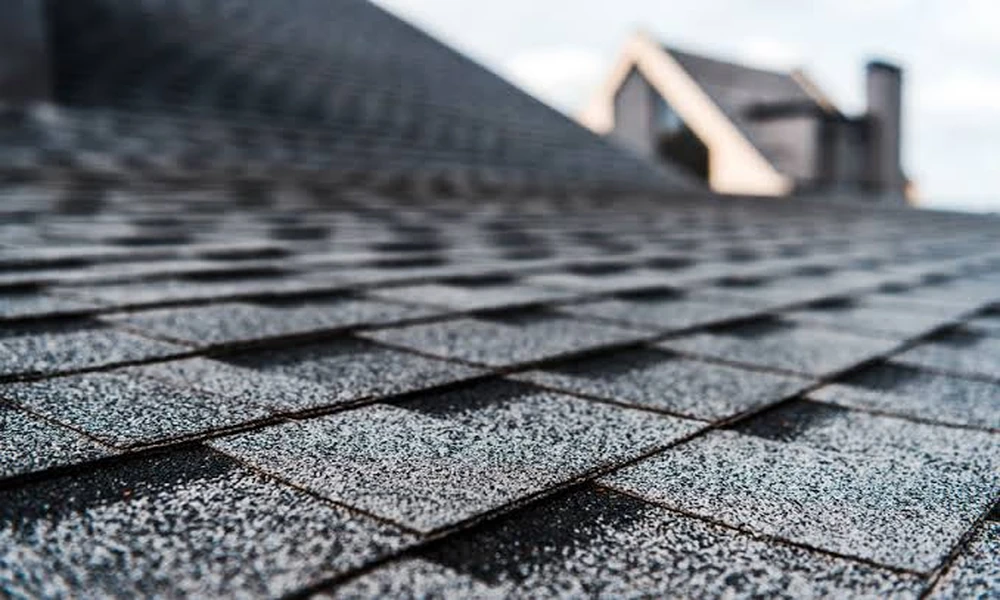
A shingle wrapper might promise 25 or 30 years, but that number comes from lab conditions and ideal installation. Real roofs live through specific weather, specific attics, and specific decisions made by whoever installed or maintained them. When a roof in the Ohio Valley needs replacing at year 15 or 17, the cause is rarely one dramatic event. It is usually several ordinary pressures stacking up over time.
Louisville sits in a humid subtropical zone, which means long, sticky summers, spring storm seasons with hail and straight-line winds, and winters that hover around freezing rather than settling below it. Each of those conditions attacks asphalt in a different way. Understanding where the wear comes from makes it easier to judge whether a roof needs a targeted fix or has simply reached the end of its useful life.
Anyone weighing that decision can lean on a team that has spent more than 40 years reading roofs in this climate. Citadel, a Roofing Company in Louisville Metro/Jefferson County operating out of Bluegrass Parkway, carries a $2,000,000 general liability policy and requires every crew to hold its own liability and workers’ compensation coverage, so homeowners aren’t exposed if something goes wrong on site. Its process starts with a no-obligation inspection, moves to a plain explanation of repair versus replacement, and ends with a final walkthrough before the job is signed off. To get an honest read on how much life your roof has left, call the Louisville office at 502-219-7964.
Sources Rooted in Climate
Summer heat is the slowest and most constant enemy. Dark shingles in direct sun routinely reach surface temperatures far above the air temperature, and that heat drives off the oils that keep asphalt flexible. Over years, shingles become brittle, crack along the edges, and shed granules faster.
Humidity adds a second layer. Moist air lingers in attics and under the deck, and repeated wetting and drying causes the wood sheathing to swell and shrink. That movement can loosen nails and produce the slightly wavy look sometimes visible on older roofs from the street.
Then there are winters that refuse to commit. Frequent swings across the freezing point mean any moisture trapped in a crack freezes, expands, and thaws again. A roof in a consistently frozen climate may actually see fewer of these cycles than one in Kentucky.
Sources Rooted in Storms
Spring and early summer bring the sudden damage. Hail does not always punch holes. Smaller stones often knock granules loose or fracture the mat beneath the surface, leaving a weak spot that ages rapidly once exposed to sunlight.
Wind is just as significant. Straight-line gusts from thunderstorm lines can peel shingles back from the rake edges and ridge, where they are most exposed. Even if a shingle drops back into place, its seal may be broken, which leaves it vulnerable to the next gust.
A growing number of homeowners respond by choosing impact-rated shingles, tested to resist damage from steel balls dropped from set heights. Some insurers offer premium credits for them, though the availability and size of those discounts vary by carrier.
Sources Rooted in Installation
A roof installed poorly can lose a decade before any storm arrives. High nailing, where fasteners miss the reinforced nailing strip, is one of the most common problems and one of the hardest to spot after the fact. Shingles nailed too high can slide or blow off far earlier than they should.
Other shortcuts include skipping the starter course at the eaves, reusing old flashing, and mixing components from different manufacturers. That last one matters more than many people realize, because enhanced manufacturer warranties often require a matched system of underlayment, starter, shingles, and ridge caps.
Sources Rooted in the Attic
An attic without balanced airflow effectively bakes the roof from below. Heat builds up under the deck in summer, pushing shingle temperatures even higher and speeding up the loss of those protective oils.
Proper ventilation pairs intake at the soffits with exhaust near the ridge. Mixing exhaust types, such as a ridge vent alongside a powered fan or gable vents, can short-circuit the airflow so that the fan pulls air from the ridge vent rather than drawing it through the soffits. The result is a hot attic despite the presence of plenty of vents.
Sources Rooted in Biology
Those dark streaks running down many roofs in humid regions are usually algae, commonly identified as Gloeocapsa magma. They are mostly a cosmetic problem, but the stains hold moisture and absorb extra heat. Moss is more damaging, since it lifts shingle edges and keeps the surface damp for long stretches.
Many newer shingles include copper-treated granules that slow algae growth. On existing roofs, a gentle cleaning with a roof-safe solution works far better than scrubbing.
Sources Rooted in Everyday Decisions
Some wear comes from well-meaning choices. Pressure washing strips granules in minutes. Walking on the roof in summer, when shingles are soft, scuffs the surface. Installing a satellite dish, security camera, or solar racking introduces new penetrations, and each one is a potential leak if it isn’t flashed correctly.
Layering new shingles over old ones is another shortcut that shortens lifespan. The second layer holds more heat, hides problems with the deck, and adds weight to the structure. Many manufacturers also limit warranty coverage on overlays.
How the Sources Compare
| Source of wear | First place it shows | Pace of damage | Typical response |
|---|---|---|---|
| Summer heat and UV | South and west slopes | Gradual, over years | Better ventilation, lighter or reflective shingles at replacement |
| Freeze-thaw swings | Cracks, flashing joints | Seasonal acceleration | Seal small gaps before winter |
| Hail and wind | Ridges, rakes, exposed slopes | Sudden | Inspection after storms, documented repairs |
| Installation errors | Blow-offs, early leaks | Early in roof life | Correction or partial reroof |
| Poor attic airflow | Blistering, deck distortion | Steady | Rebalance intake and exhaust |
| Algae and moss | North slopes, shaded areas | Slow | Gentle cleaning, algae-resistant shingles |
Reading the Pattern
A single source of wear usually points to a repair. Several sources showing up at once, such as heat-brittle shingles on a poorly vented attic with old hail bruises, usually point toward replacement. The age on the invoice matters less than the combination of stresses the roof has absorbed, and identifying those sources is what turns a guess into a clear plan.